The Essential Rooflight Handbook: Elevate Your Space Through Natural Illumination
Rooflights present a unique solution for enhancing indoor spaces through natural light. They come in various types, including fixed and ventilated designs, each with its own advantages. The decision to install rooflights can significantly impact energy efficiency and overall ambiance. Understanding these aspects is vital for making an informed choice. However, the process doesn't end with selection; installation and maintenance play key roles in maximizing their benefits. Exploring these factors reveals much more than meets the eye.
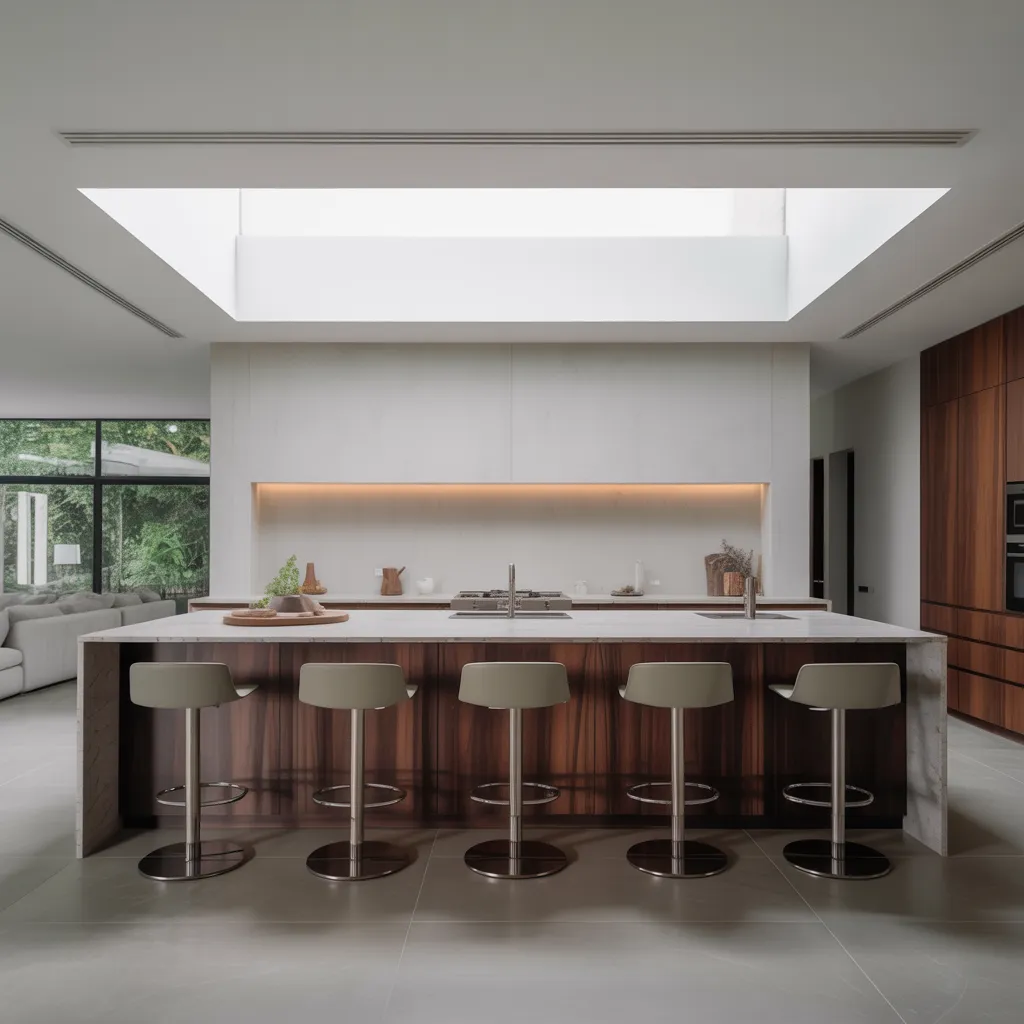
Learning About Rooflights: Varieties and Styles
Rooflights function as functional structural features that enhance natural light in internal environments. They come in different varieties and styles, accommodating different structural designs and purposes. Among the most popular varieties are non-opening rooflights, which provide a fixed source of light, and opening rooflights, permitting airflow in addition to illumination. Skylights are another popular choice, typically positioned at an angle to increase light entry and view of the sky.
Designs extend from simple rectangular formats to more detailed custom configurations, including dome-shaped or pyramid designs. The materials utilized for rooflights range, with glass representing the main choice for its transparency and longevity, while polycarbonate is favored for its lightweight and impact-resistant properties. All types and designs address distinct utilitarian and decorative purposes, making rooflights versatile additions to both homes and business properties, elevating the overall architectural appeal while facilitating daylighting.

Perks of Adding Rooflights
Installing rooflights offers considerable gains, mainly through enhanced natural illumination and improved energy efficiency. By allowing sunlight to flood internal rooms, rooflights reduce dependency on artificial lighting, creating a more welcoming environment. Additionally, the strategic use of rooflights can lead to lower energy costs by maximizing daylight usage throughout the day.
Improved Pure Illumination
Whenever natural light floods a space, it not only improves the aesthetic appeal but also fosters a healthier living environment. Rooflights are an ideal solution for maximizing daylight, creating an inviting atmosphere that uplifts mood and boosts productivity. By incorporating natural illumination, these architectural features minimize reliance on artificial lighting, making spaces feel more open and airy. Moreover, they can aid in eliminating shadows and dark corners, transforming previously dull areas into vibrant, lively environments. The influx of sunlight can also aid in the regulation of circadian rhythms, which are vital for overall well-being. Additionally, rooflights can highlight architectural details and interior design elements, enriching the visual experience and making any space feel more connected to the outdoors.
Improved Energy Effectiveness
By utilizing the power of natural light, rooflights notably increase energy efficiency within a building. They minimize reliance on artificial lighting, bringing about lower electricity consumption during daylight hours. This not only reduces energy bills but also minimizes the carbon footprint, fostering a more sustainable environment. Additionally, the strategic placement of rooflights can enhance temperature regulation, minimizing the need for heating and cooling systems. By allowing sunlight to warm spaces naturally, rooflights support a more comfortable living environment while minimizing energy expenditure. Overall, the installation of rooflights functions as a practical investment, producing long-term savings and environmental benefits, thereby establishing them as an essential feature for modern, energy-conscious buildings.
How Rooflights Increase Energy Efficiency
Rooflights significantly enhance energy efficiency in buildings by lowering lighting costs through natural illumination. They also better regulate temperature regulation, minimizing the need for artificial heating and cooling. Furthermore, advanced ventilation options delivered by rooflights facilitate better airflow, further lowering energy consumption.
Minimized Light Expenditures
When natural light pours through rooflights, buildings can substantially reduce their dependence on artificial lighting, bringing about lower energy costs. Rooflights not only brighten spaces efficiently but also optimize the use of daylight, which can significantly decrease the need for overhead lighting during daytime hours. This shift not only supports a more sustainable approach to energy consumption but also results in tangible financial savings for property owners. The integration of rooflights can boost productivity and comfort, as natural light is known to enhance mood and focus. Finally, the installation of rooflights serves as an investment that enhances energy efficiency, allowing occupants to enjoy well-lit environments while minimizing their carbon footprint and energy costs.
Enhanced Thermal Control
Natural light not only enhances visibility and reduces energy costs, but it also fulfills a crucial purpose in temperature management within buildings. Rooflights allow sunlight to enter, warming spaces naturally during chillier months. This passive solar gain can decrease reliance on artificial heating systems, contributing to lower energy consumption. Additionally, strategically placed rooflights can assist in distributing heat evenly, reducing cold spots and creating a more comfortable indoor environment. During warmer months, rooflights can be designed to prevent overheating by employing special glazing or coatings that filter excessive solar radiation. This balance supports overall energy efficiency, ensuring that buildings maintain a stable temperature while reducing the need for mechanical heating and cooling systems. Rooflights consequently serve as a key component in sustainable design.
Enhanced Air Distribution Alternatives
When built into building design, rooflights can markedly enhance ventilation options, adding to overall energy efficiency. By allowing hot air to escape while drawing in cooler air in, rooflights create a natural airflow within a space. This process helps maintain comfortable indoor temperatures without depending extensively on mechanical cooling systems. Additionally, operable rooflights can be strategically placed to maximize cross-ventilation, further reducing energy consumption. The introduction of fresh air can also improve indoor air quality, making spaces more pleasant and healthier. Ultimately, the integration of rooflights not only lights up but also improves the functionality of a building by promoting energy efficiency through better ventilation. This dual benefit makes rooflights an important feature in modern architectural design.
Choosing the Right Rooflight for Your Space
How does one determine the ideal rooflight for a given space? The process of selection starts with analyzing the room's size and purpose. For instance, larger spaces may benefit from large rooflights that optimize natural light, while compact spaces might demand more compact alternatives. Next, the directional placement of the building should be assessed; southward-oriented rooflights gather more sunlight, improving warmth and brightness, however north-oriented choices provide more subtle, scattered light.
Furthermore, the design and design of the rooflight must align with the existing architecture. Choices vary from fixed rooflights to operable units, which provide ventilation. Energy efficiency is a key factor; double or triple-glazed units ensure better insulation. Additionally, personal aesthetic preferences also matter, as the rooflight should suit the overall decor. By diligently considering these factors, one can choose the right rooflight that not only elevates the space but also supports overall comfort and ambiance.
Setup Guidelines for Rooflights
Installing rooflights requires thorough planning and precise attention to detail to ensure superior performance and aesthetic appeal. Initially, it is vital to identify the suitable location, typically in areas that receive the greatest advantage from natural light. Correct measurements must be taken to ensure a precise fit for the rooflight, accounting for any structural components that may be affected. Subsequently, a appropriate frame or curb must be erected, making sure it is level and watertight.
Prior to fitting, it is vital to assess the weather begin now forecast, as operating in unfavorable weather may result in complications. During the installation, anchoring the rooflight with correct fasteners and sealing materials is critical to stop leaks. Furthermore, it is advisable to use insulation around the edges to increase energy efficiency. Finally, verifying compliance with local building regulations will help avoid potential issues in the future, making the installation process streamlined and more satisfactory.
How to Maintain and Care for Your Rooflights
Even though rooflights can considerably enhance natural light in a space, routine maintenance is vital to maintain their longevity and best performance. Homeowners should frequently examine rooflights for any traces of damage or wear, such as cracks or leaks, which can diminish their effectiveness. Cleaning the glass frequently, using a soft cloth and suitable cleaning solutions, ensures unobstructed light flow. Additionally, checking the seals and frames for deterioration is important, as any gaps can result in water ingress and heat loss.
One should aim to remove debris, such as leaves and dirt, from around the rooflight to avoid blockages that may hinder drainage. For more intricate issues, consulting a professional is recommended. By establishing a maintenance schedule, property owners can enjoy the rewards of their rooflights for years to come, boosting both the aesthetics and energy efficiency of their space.
FAQ
Are Rooflights Be Installed in Existing Buildings?
It is possible to install rooflights in existing buildings. The feasibility, however, relies on the building's specific design, structural factors, and local regulations. We recommend obtaining a professional assessment to guarantee correct installation and seamless integration.
Average Rooflight Installation Cost: What to Expect
Average rooflight installation expenses typically span from $1,000 to $3,000 per unit. Factors that influence the price include size, materials, and labor, which can fluctuate according to location and specific project requirements.
Do Any Building Regulations for Rooflight Installation?
Indeed, there are building regulations in place for rooflight installation, prioritizing energy efficiency, safety, and structural integrity. Adhering to these regulations ensures correct ventilation, insulation, and compliance with local planning permissions, consequently safeguarding residents' well-being and the property's value.
What Effect Do Rooflights Have on Indoor Temperature During Summer Months?
Roof windows can dramatically raise indoor temperatures during summer by letting sunlight to penetrate, creating heat. Appropriate shading or glazing techniques can mitigate this effect, assisting in maintain a comfortable indoor climate while maximizing natural light.
Is It Possible to Add Window Treatments to My Rooflights?
Rooflights can certainly accommodate window treatments. Alternatives including shades, blinds, or curtains offer light control and privacy, increasing comfort while keeping the aesthetic quality of the space. Selecting carefully is vital.